

Custom CardboardRetail Displays
Custom Structure & Branding
Cardboard Displays · Branded · Customized
Explore Our Cardboard Displays
Browse product designs for your retail project. We customize cardboard displays around your merchandise, branding and selling space.
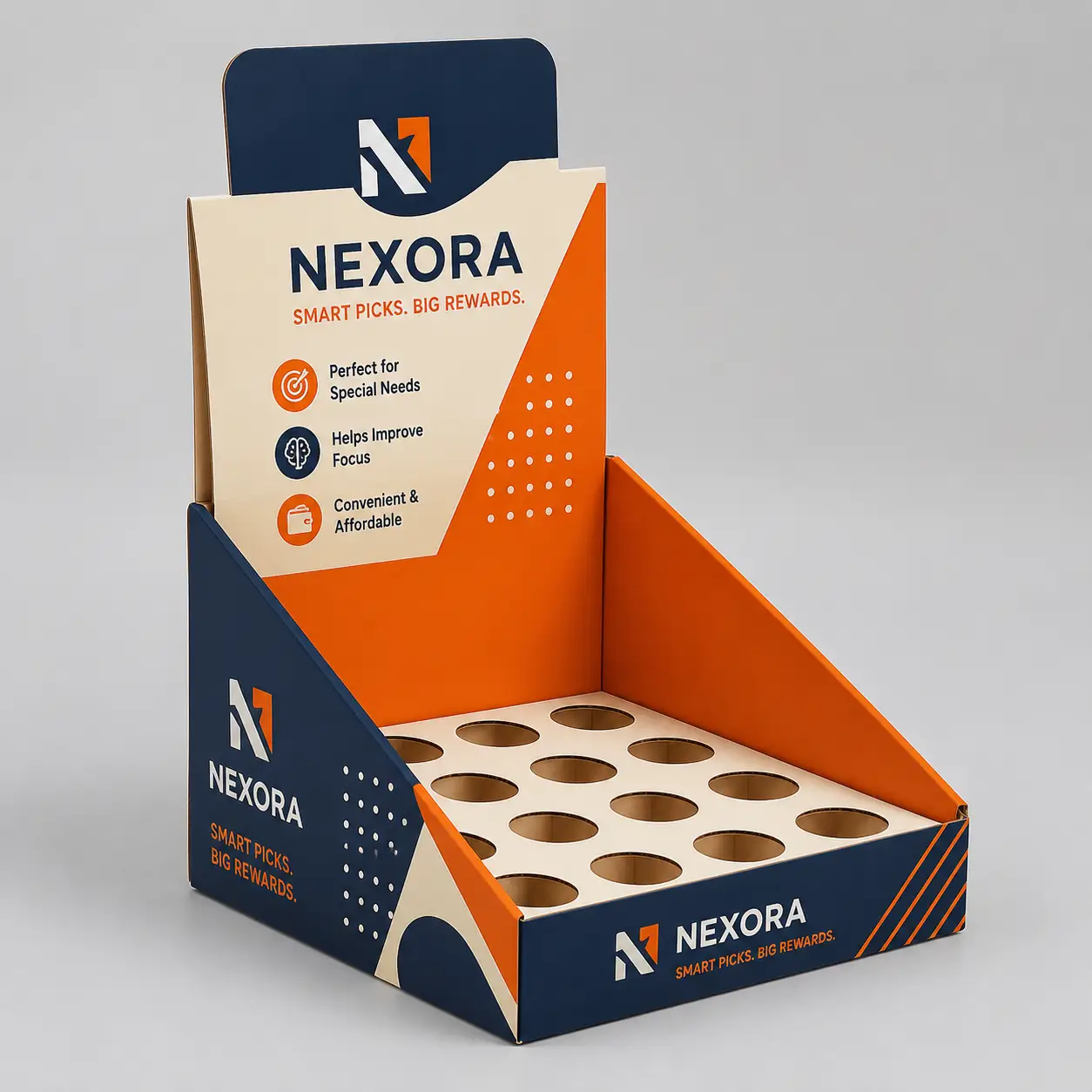
Cardboard Counter Display with Product Slots
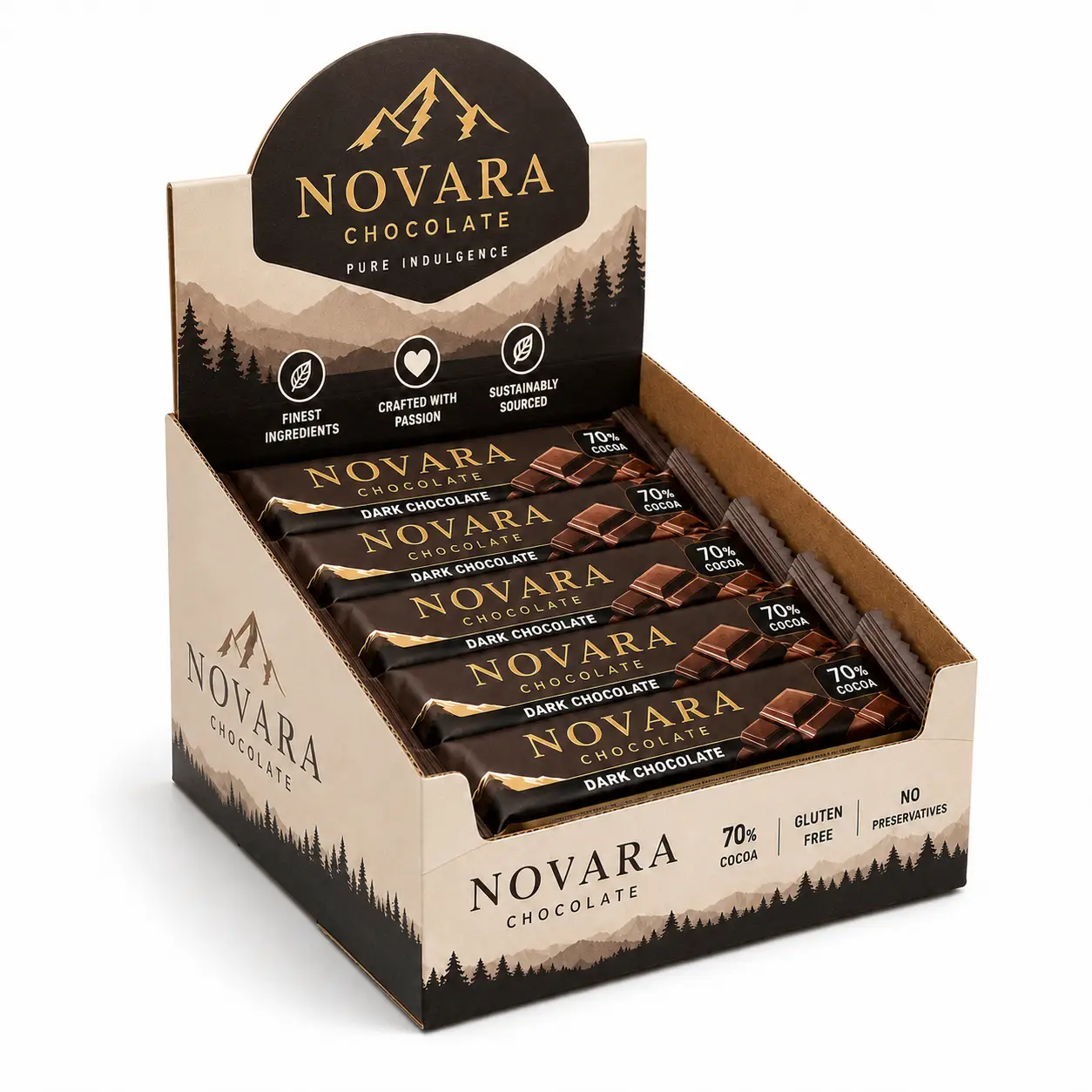
Cardboard Chocolate PDQ Display Tray
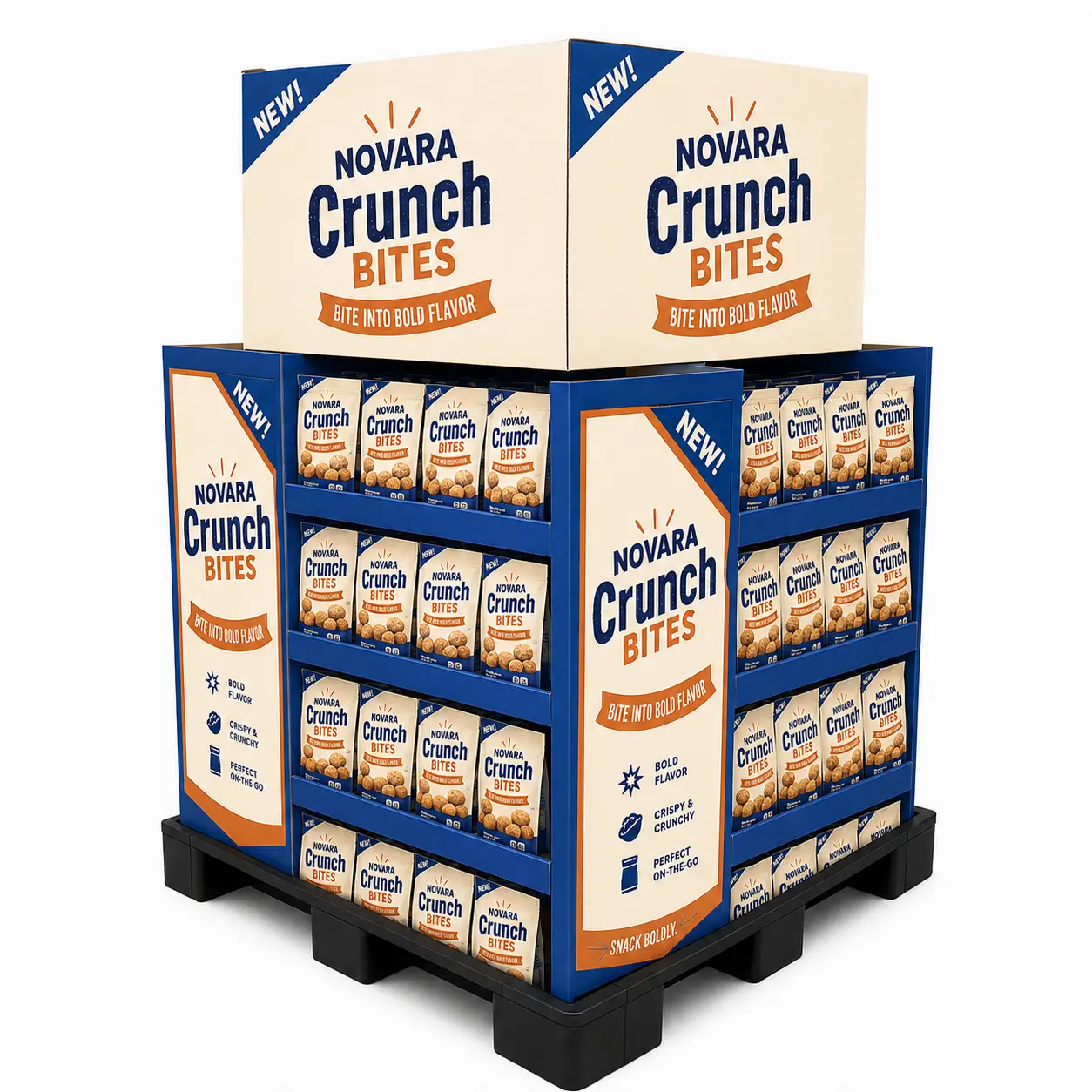
Multi-Sided Cardboard Pallet Display
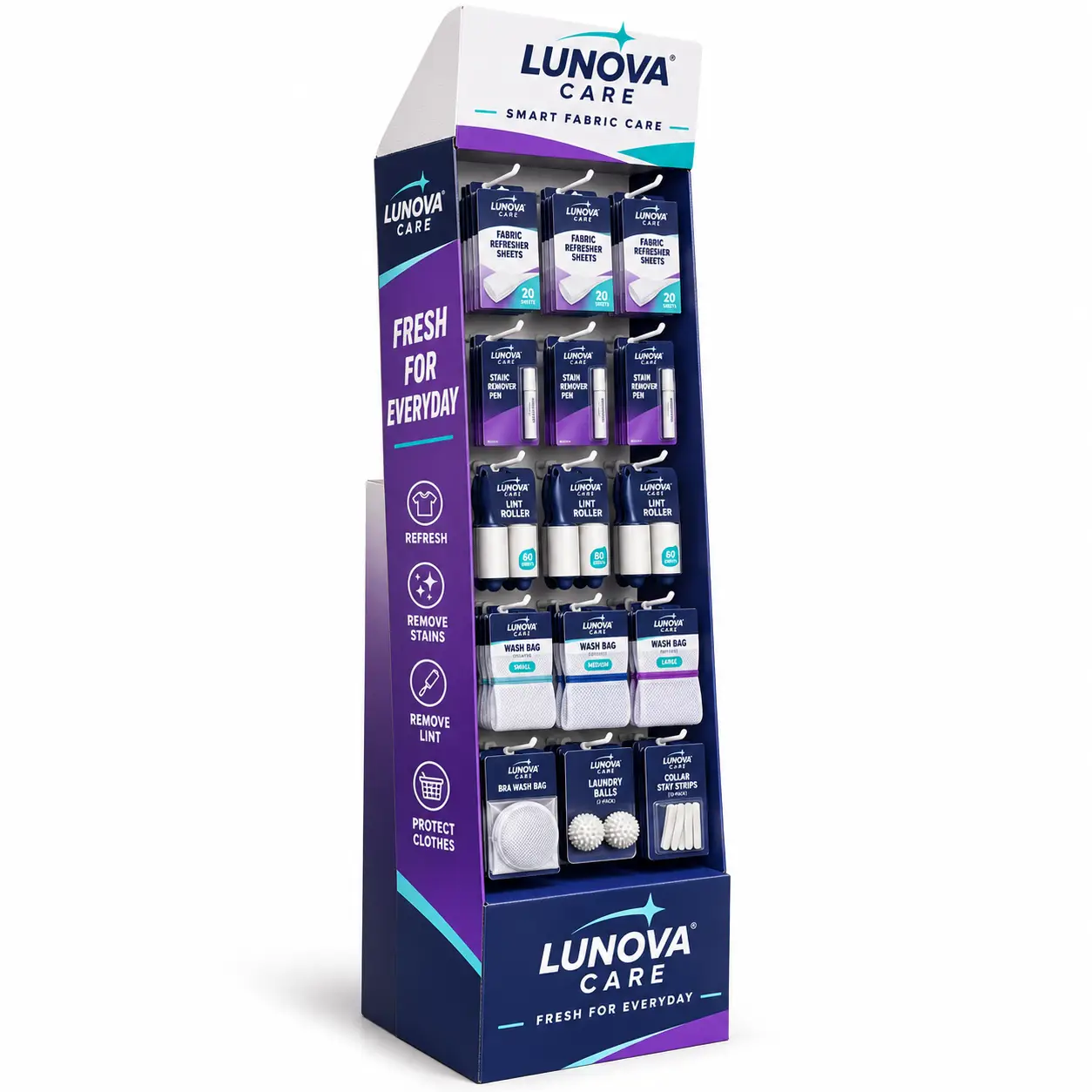
Cardboard Peg Hook Display for Hanging Packs

Open-Top Cardboard Dump Bin Display

Hanging Cardboard Pocket Display

Stackable Shelf-Ready Cardboard Display Cases

Cardboard Advertising Standees & Totems
9 products
Customize the Structure, Graphics and Packing
Custom cardboard displays start with your product pack rather than a fixed catalogue size. Share pack dimensions, unit weight, product variants and the required facings. Then consider shelves, trays, dividers, hooks and headers as one layout. The design also needs room for shoppers and store staff to reach the products. We review board construction, supports and connections for that arrangement. A material name alone does not establish capacity.
Next, match the artwork to the approved structure. Logos, prices and campaign messages should remain visible when the display holds stock. We also confirm the print method, finish and color requirements for the project. Before choosing packing, explain how staff will receive, assemble and refill the display. Flat packing, preassembly and shipment with products each need a separate review. This keeps the final cardboard displays aligned with the destination and store setup.
Get Solutions Now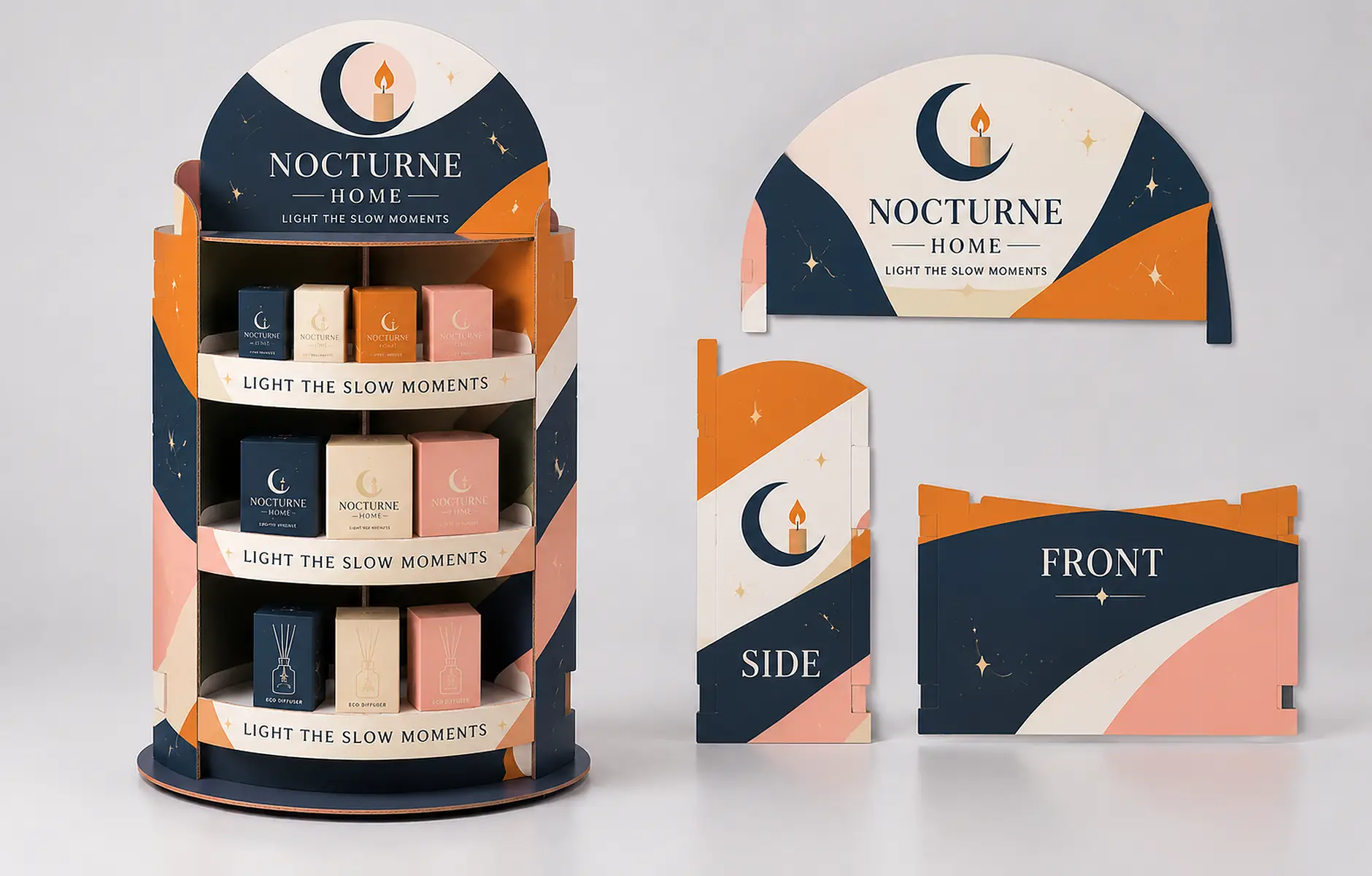
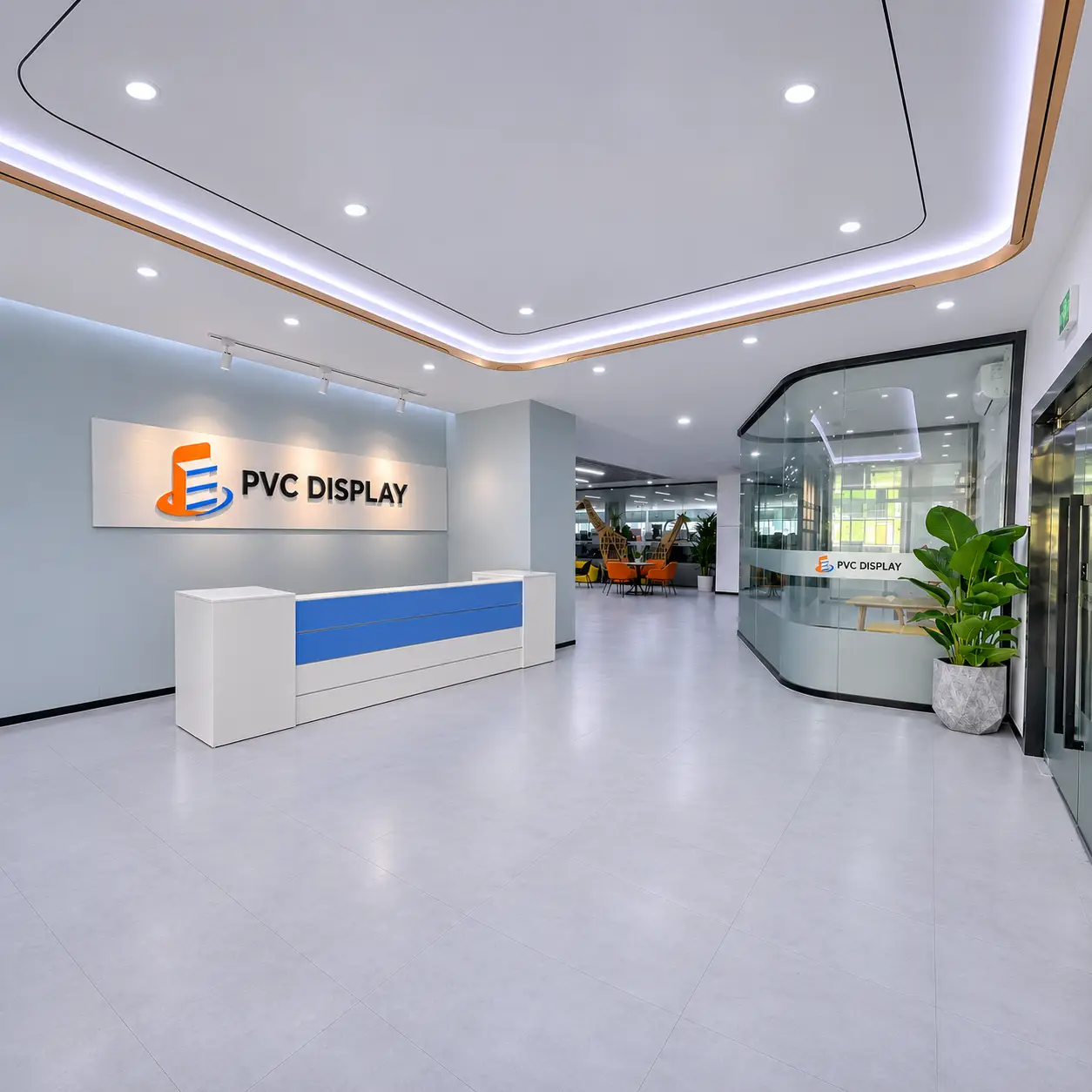
A Paper Display Manufacturing and Trading Partner
We support cardboard displays through a manufacturing and trading model that connects the retail brief, design, sampling and production coordination. First, tell us about your products and the store conditions. Our team then keeps the structure, artwork version and sample feedback aligned. You can review one sample, and the bulk MOQ is 100 units. The project quotation confirms costs, packing, inspection points and timing. Also share retailer documents, assembly instructions or receiving rules early. We can then include those needs in the review, so the same brief guides the sample and the bulk specification.
- Established: 2004
- Company Team: 106 Employees
- Projects: 100+ Each Year
- Production Support: Reliable Partner Factories
From Your Brief to Finished Cardboard Displays
Begin with pack dimensions, unit weight, target stock and the intended store position. Next, review the structure and artwork together. The sample lets you check product fit, appearance, assembly, access and the proposed loading before bulk production. If the review leads to changes, record them in the approved specification. Production and quality checks then follow the agreed material, component, print and packing requirements. Timing for cardboard displays depends on the chosen format, artwork approval and project arrangements. Therefore, share your destination and target arrival date when requesting a quote. This helps coordinate preparation, shipping and receiving from the start.

OUR FACTORY CREDENTIALS
Certifications & Recognition
The factory referenced in our production information holds FSC and ISO certificates. For your cardboard display project, we review the available documents against the relevant factory, activities and purchasing requirements.
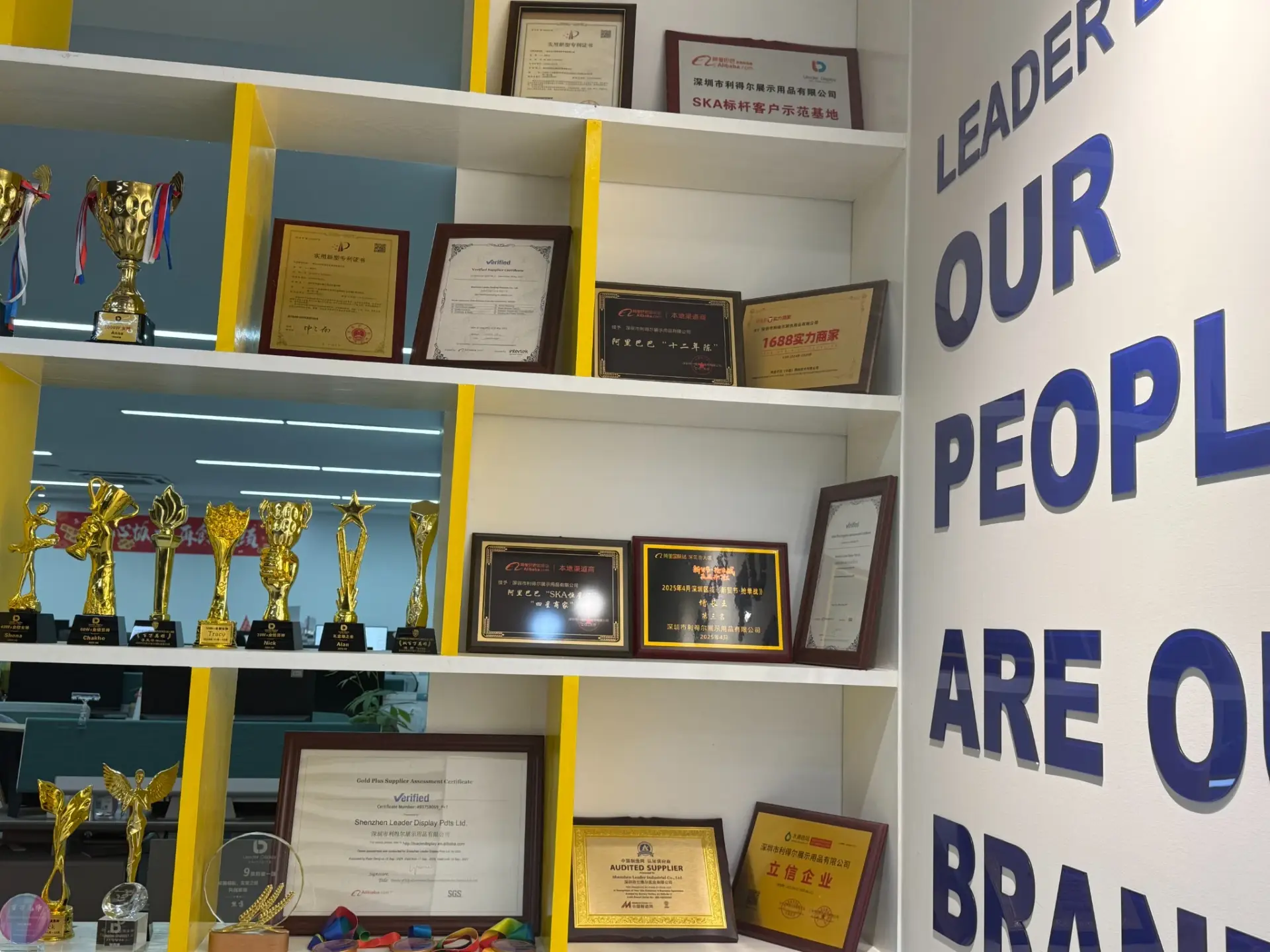
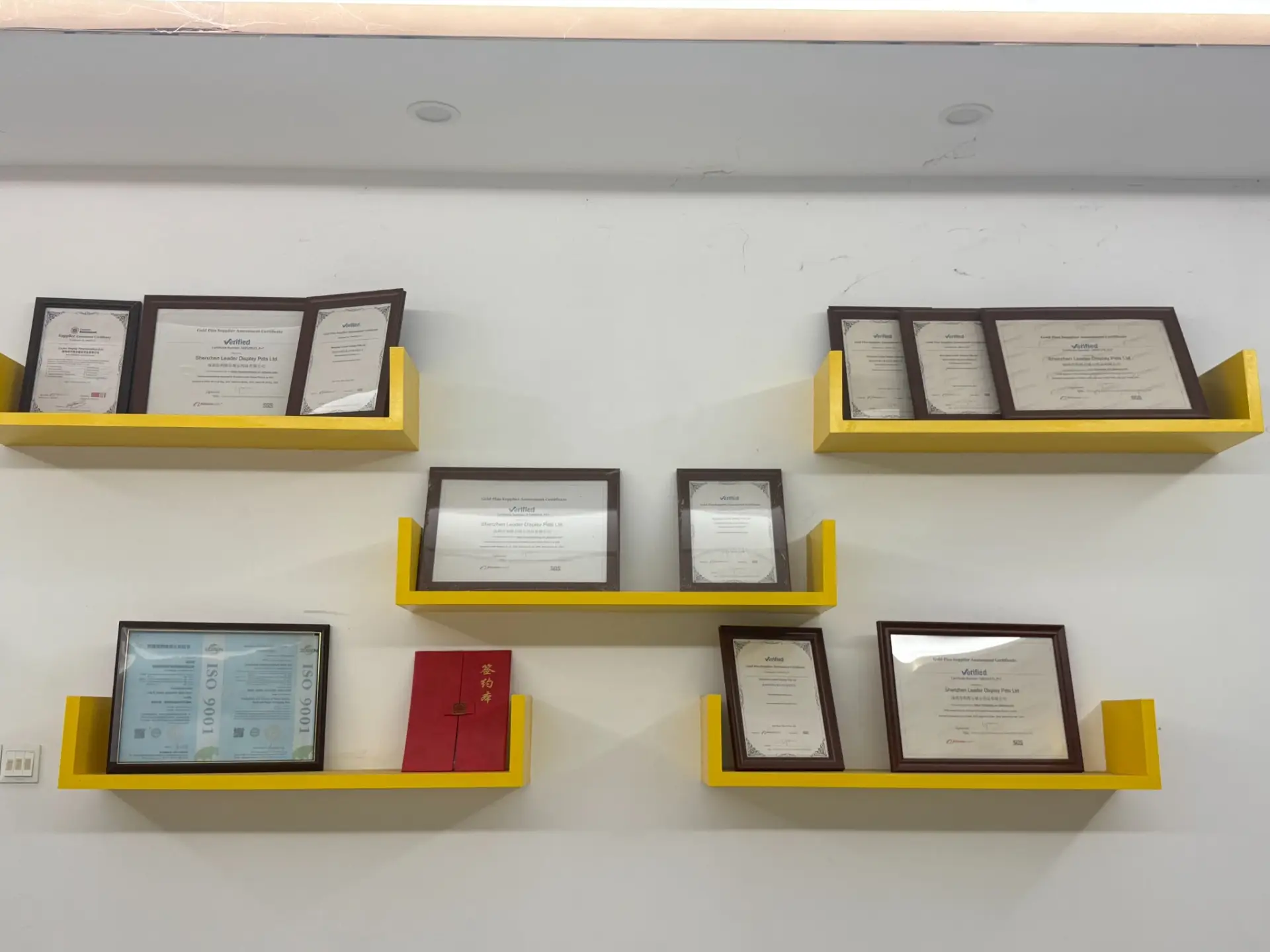
Tell us which certificate or buying document your team needs. We can then check the certificate holder, covered scope and current relevance to the project. However, a display format alone does not establish a certification claim.
If your cardboard displays require an FSC claim or sourcing documents, raise that need before artwork approval. Also confirm the material and order documents against the applicable certificate scope. For ISO details, we review the documents available for the relevant factory rather than assume a standard or scope.

Quality Control
Check cardboard displays against the approved drawings, artwork and sample. Key points include dimensions, material, component fit, printed appearance and product layout. For shelves, hooks and trays, also review loading and stability with the actual pack weight and stock quantity. Openings, edges and supports should allow the planned access and restocking. Agree the review method and acceptance points for the project. If products or the display layout change, check the affected specification again. An earlier load review may no longer match the new arrangement.
Send Inquiry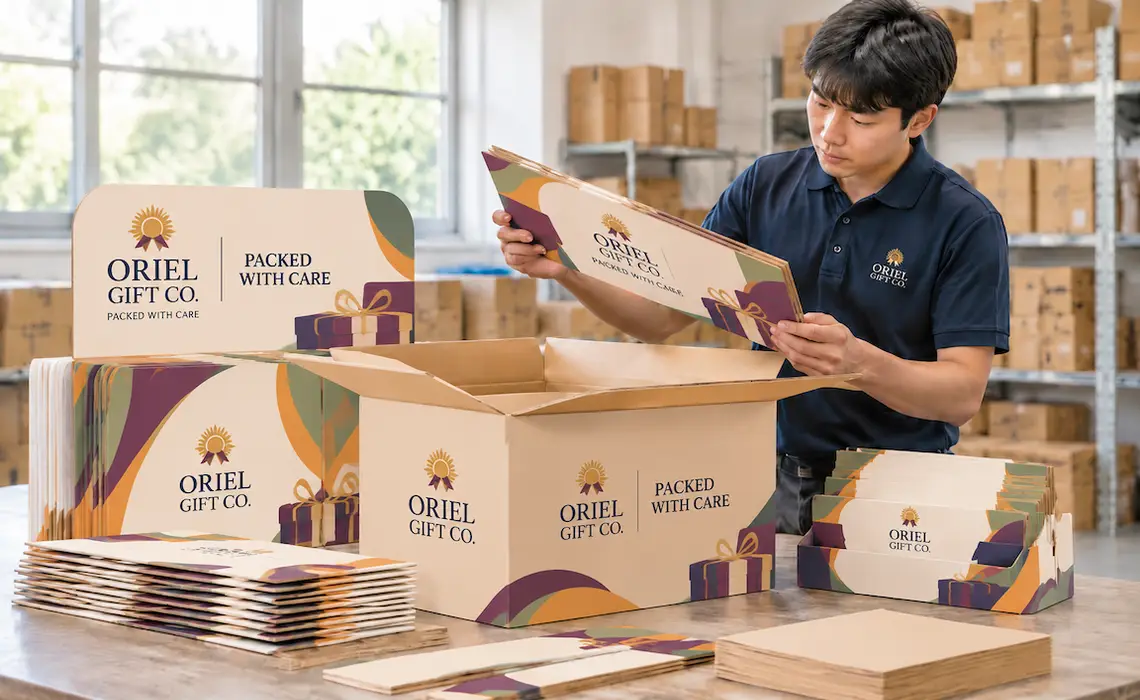
Review Before Delivery
Before shipment, compare the parts, printed panels, accessories and packing with the approved version. Also consider how staff will identify parts, assemble the display and place the products. If the display will ship with merchandise, confirm that pack arrangement separately. Include the destination, receiving rules, carton labels and any setup instructions in the brief. The quotation confirms sample costs, production timing and freight. After any design or shipping change, review those details again so the delivery plan still matches the project.
Send InquiryOur Valued Partners








Swipe to explore
CUSTOMER FEEDBACK
What Our Customers Say
Feedback from customers across our display projects.
The team provides high-quality products and pays close attention to detail. From general idea proposals they were able to take the frameworks and generate a usable and refined product that exceeded expectations. Quality: Five Stars Design: Five Stars Service: Very personable and pleasant to work with. Five Stars

S***s
From United States
Quality: Amazing quality. They really did a great job on our displays. Design: Really well put together.

T***s
From United States
Great stand, easy ordering and easy customisation. Excellent customer service from start to finish!

J***e
From Australia
To be honest the start was a little difficult but after changing the contact person to tracy, i can highly recommend the quality and service. Tracy is doing an awesome job, try to understand all your needs, deliver outstanding advice and service. If you are looking for a good quality and service, you are in the right place here. And if you want outstanding service, ask for tracy and thank me later.

D***k
From Germany
Very satisfied with the quality of work. The cardboard displays and PVC displays are very easy to install. We have worked together for over 10 years on many of my display projects. They understood what I wanted and revised my ideas until I was satisfied. I will continue using them, thanks again

E***m
From United States
1–3 of 5 reviews
Customer names are masked. Portraits are AI-generated illustrations.
Frequently Asked Questions
Find practical answers about custom cardboard displays, samples, order quantities and project planning. For a useful review, send your product details and the store requirements together.

01Which cardboard display format should I choose?
Choose the format from your product, selling space and the way shoppers pick up a pack. For example, floor stands create a freestanding selling point, while counter units use a small surface. Trays organize shelf stock, and hooks suit compatible hanging packs. Also check retailer rules for pallets, sidekicks and shelf-ready layouts. A standee mainly carries graphics unless the design also includes merchandise support.
02What information is needed for a quotation?
Send pack dimensions, unit weight, product variants, target stock and the available width, depth and height. Also include the store position, order quantity, artwork needs, destination and target arrival date. A photo and retailer guidelines can help explain the brief. Finally, tell us whether the display will ship empty or with products, and how staff will set it up and refill it.
03Can I review a sample?
Yes. We can make one sample for a project review. Use it to check product fit, graphics, connections, assembly, shopper access and the proposed loading. Also supply the products or accurate pack details so the review reflects store use. Then record any changes before approving the bulk version. We confirm sample cost, preparation time and shipping for the project; the sample option does not promise free sampling.
04What is the minimum order quantity?
The bulk MOQ for cardboard displays is 100 units. The quotation identifies the design, artwork, quantity and included parts. If you need several formats, artwork versions or destinations, explain the order mix first. We can then review the arrangements. One minimum quantity does not automatically cover every combination. We confirm sample and bulk costs once the requirements are clear.
05Can you customize the structure and graphics for my project?
Yes. We can review dimensions, shelf spacing, trays, dividers, hooks, headers and printed panels around your products and store needs. Next, prepare artwork against the approved structure. Keep key messages clear of joints, openings and stock. We also confirm the print method, color references, finish and printed sides in the specification. If the campaign changes, review its effect on supports, access, packing and the approved design.
06How are board construction and loading confirmed?
Capacity depends on the whole cardboard structure, including board construction, shelf spans, supports, joints and product layout. First, provide unit weights, stock targets and the way products will sit on the display. Then agree the proposed configuration, sample review and acceptance points. A material name, thickness or photo cannot establish the finished capacity alone. Therefore, a change in stock or supports needs a fresh review.
07How are lead time and shipping confirmed?
Lead time and freight depend on the design, artwork, quantity, packing and destination. Share your target arrival date and receiving rules with the initial brief. Also confirm whether the cardboard displays should arrive flat, preassembled or with products. We review that choice against the structure. The quotation then confirms costs and timing. After any change following sample approval, check its effect on production, carton size and shipping.
Latest News
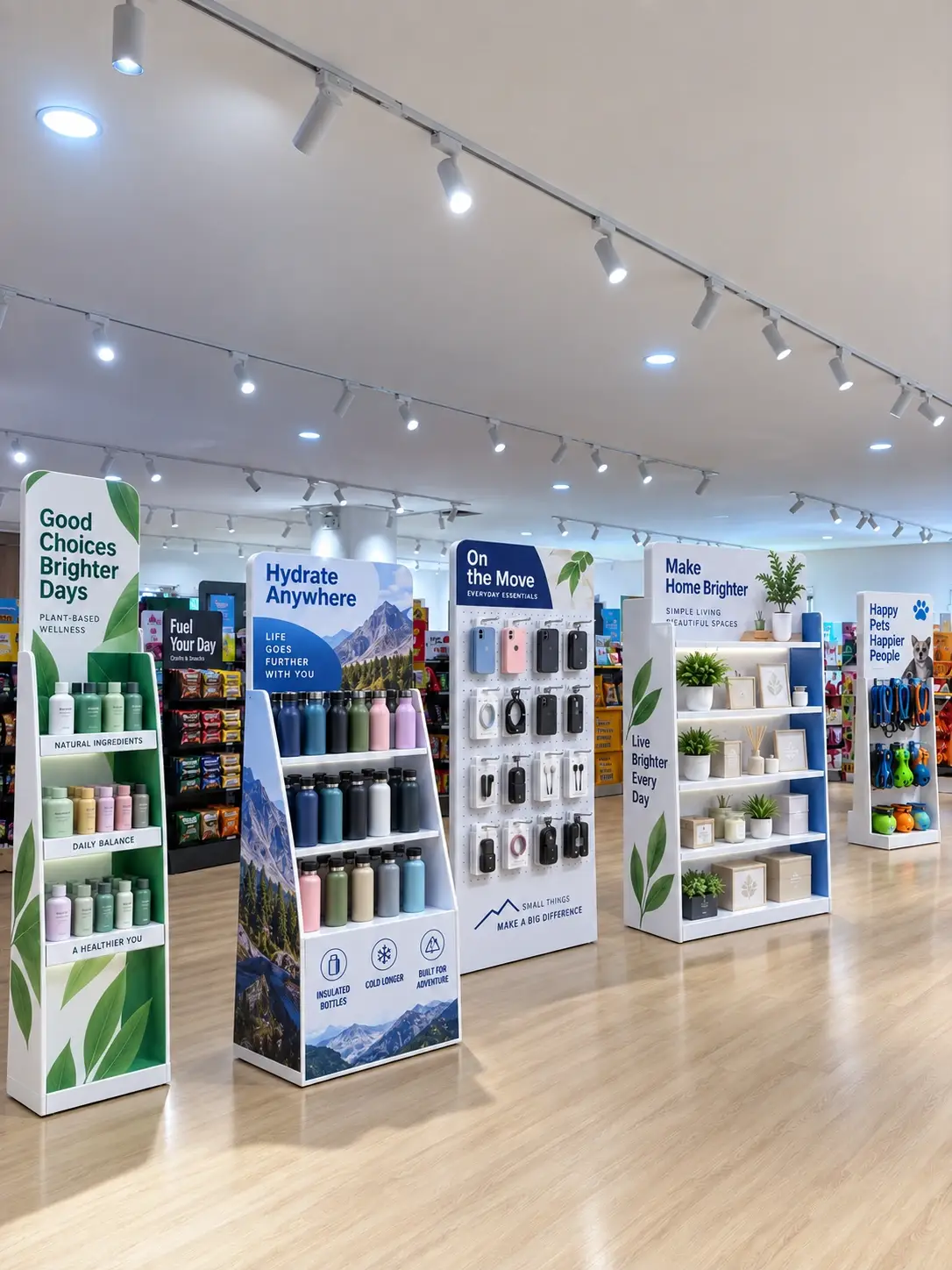
How Much Does a Custom PVC Display Stand Cost? 7 Factors That Affect Pricing
Explore seven factors that affect a custom PVC display quotation, from structure and materials to printing, order quantity and packing.
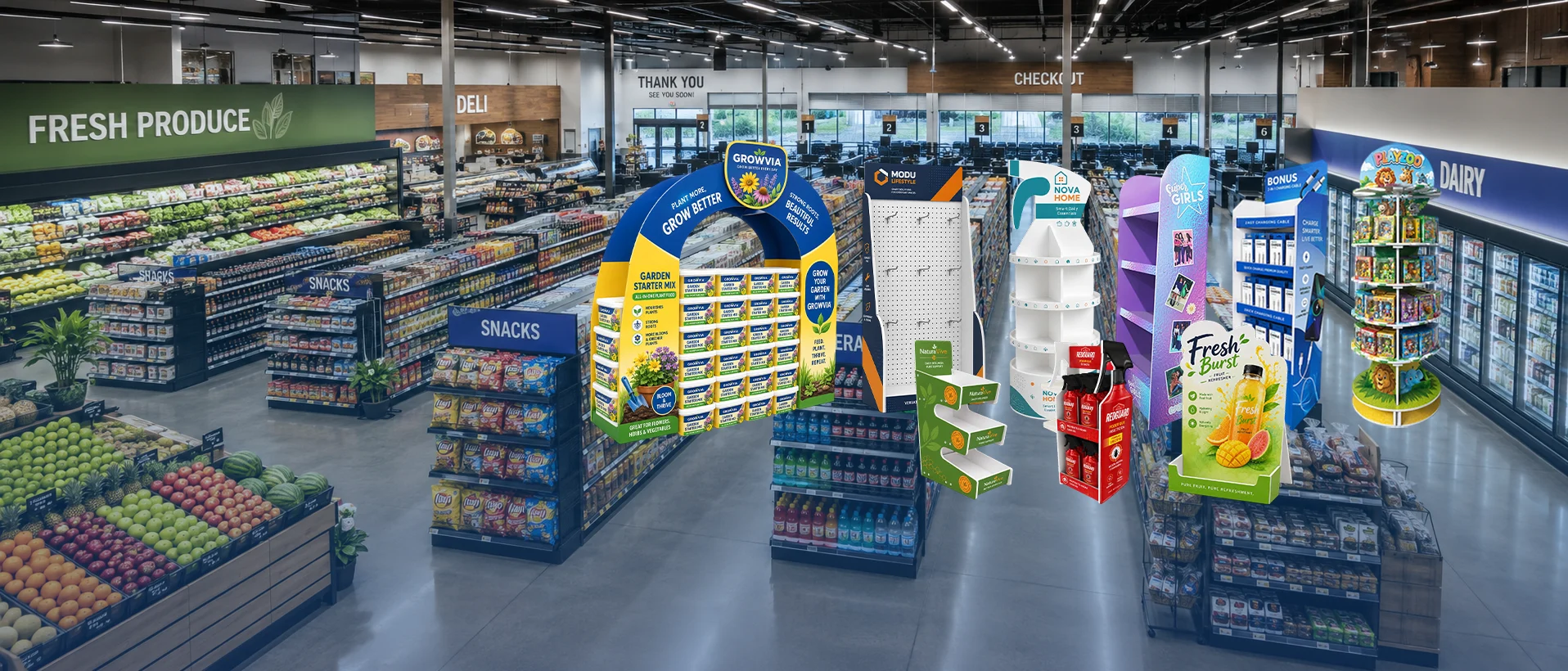
How to Choose the Right PVC Display Stand for Retail Stores
Learn how product dimensions, store placement and merchandising requirements help determine a suitable PVC retail display format.