PVC Foam Board, Cardboard or Acrylic: Which Should You Choose?
There is no one material that is best for every retail promotion. The right choice depends on how long the display will be used, where it will stand, how the products are supported and what you want to spend.
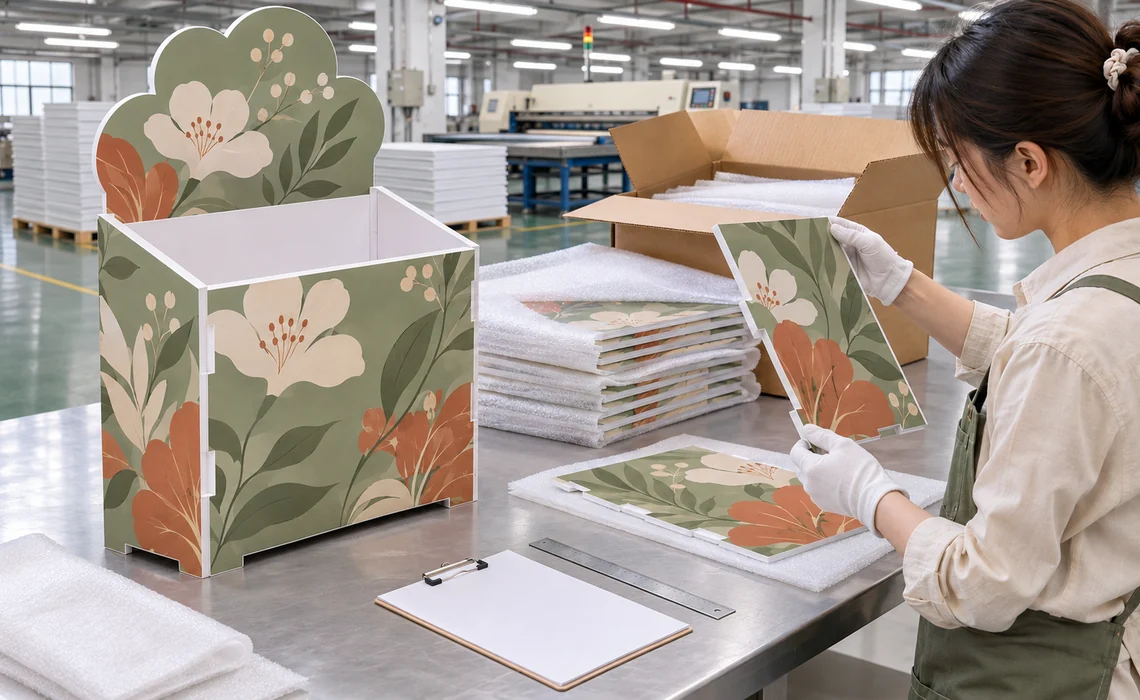
Cardboard is an excellent option for seasonal promotions, product launches and large store rollouts. It is lightweight, easy to print, and can be designed for flat packing and quick store assembly. With the right engineering, cardboard displays can also handle demanding retail applications. For many campaigns, it offers a very practical balance of appearance, performance and cost.
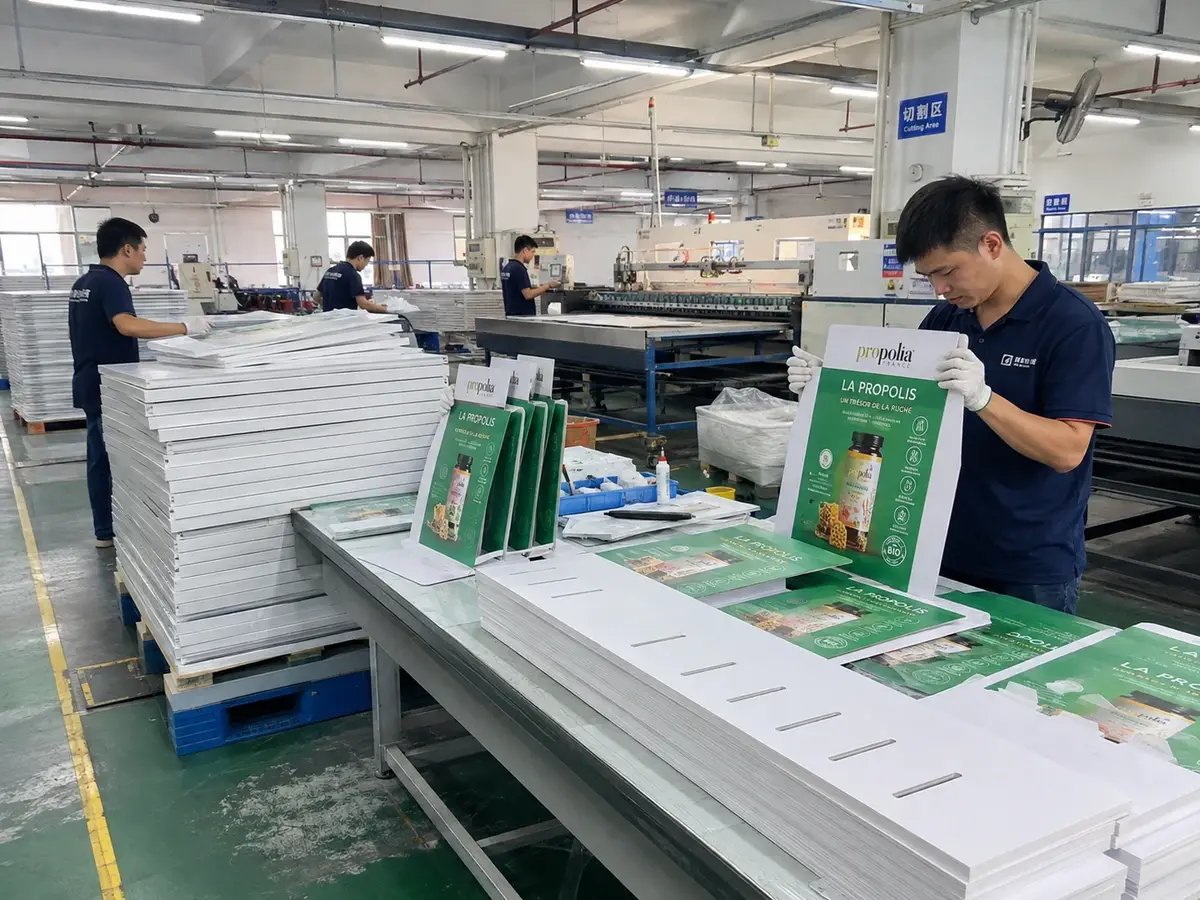
PVC foam board is rigid expanded PVC sheet, not cardboard or paper-cored foam board. It provides printable, shapeable panels with good resistance to incidental moisture. A PVC pallet display may be worth considering when a store needs wipe-clean surfaces, a particular panel shape or a display intended for longer use. Actual suitability still depends on the printing, joints, supports and in-store conditions.
Acrylic is often selected for its clear, glossy, premium appearance. It can work well for transparent product holders, windows or selected decorative parts. For large displays with opaque, full-color printed panels, compare acrylic and PVC foam board using the same dimensions, structure and printing requirements. The better-value option depends on the actual specification and quotation.
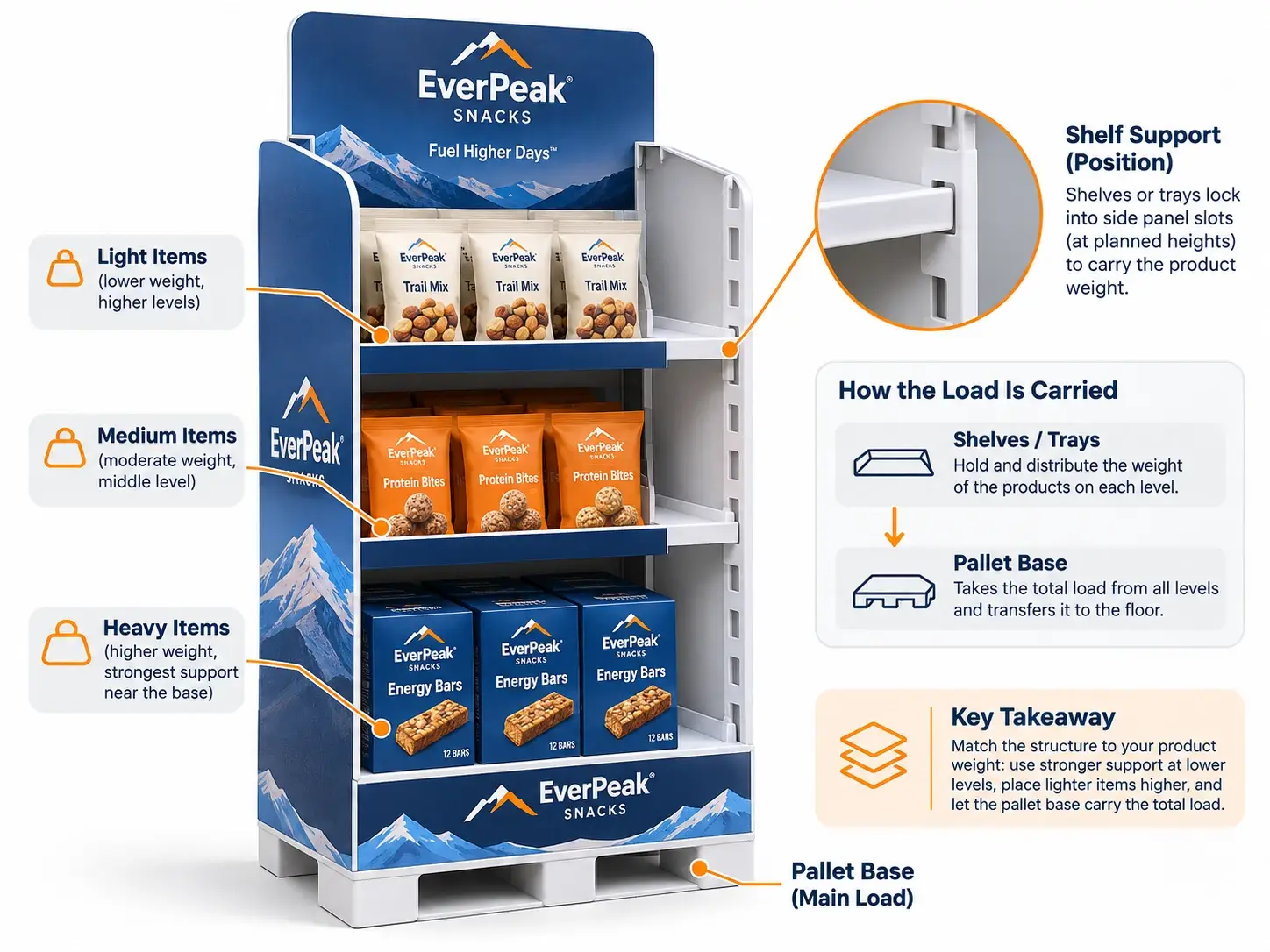
Which is right for you? Choose based on the job, not a claim that one material is always better. Cardboard can be ideal for high-volume promotions, PVC for particular moisture-resistant or longer-use applications, and acrylic where clarity or a premium finish matters. Whatever the material, loading capacity must be checked against the complete display design—not assumed from sheet thickness alone.